
Real Estate Investing 2026: Opportunities & Risks
The real estate market has changed: financing has become more complex, capital more selective, and projects more challenging to execute. At the same time, demand for new developments remains high, many projects today fail not because of a lack of demand, but because of financing constraints.
This is precisely where a new dynamic emerges: projects require additional capital components, creating investment opportunities that were previously mainly reserved for institutional investors. So, is this a good time to enter the market? The answer is: yes, but differently than before.
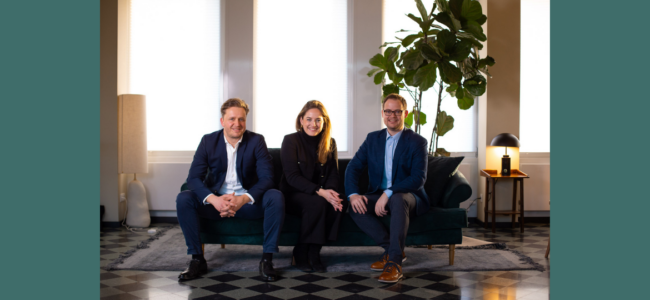
In this interview, Invesdor’s real estate experts, Anna Hoos, Stefan Ertl, and Christopher Müller, explain how the market has changed, which opportunities are emerging, and what investors should pay attention to today.
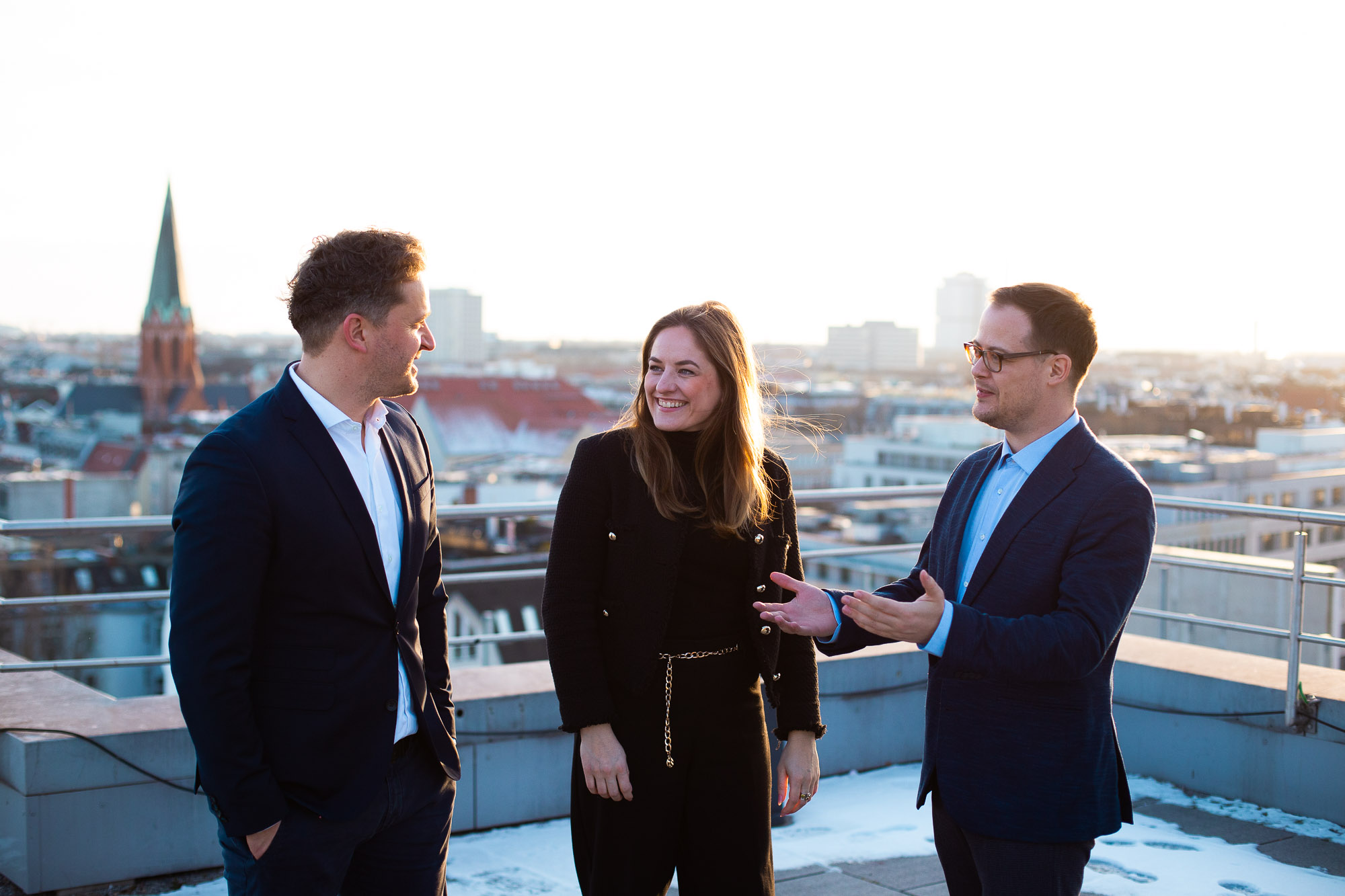
The Real Estate Team at Invesdor: Stefan Ertl, Anna Hoos, and Christopher Müller.
How do the experts assess the current development of the real estate market from an investor’s perspective?
Stefan Ertl: We are coming out of a highly complex market period that has already had noticeable economic consequences, especially within the banking sector. Today, banks finance projects far more cautiously than they did a few years ago and cover smaller portions of projects. At the same time, demand for real estate remains strong across many sectors. As a result, a financing gap has emerged because developers now require more equity to realize projects.
Which developments are currently shaping the real estate market?
Christopher Müller: The real estate market moves in classic cycles, and we are currently in one of those cycles. However, the current downturn and adjustment phase has been accelerated by an exceptional combination of external shocks: COVID-19, the war in Ukraine, the energy crisis, inflation, and rising interest rates have all heavily impacted the market within a short period of time. Nevertheless, this phase still shows many characteristics of traditional real estate cycles.
What makes this phase unique is the structural transformation emerging from it. Higher financing costs, persistently high construction costs, stricter regulations, and growing political pressure around housing are creating a new market equilibrium. The market emerging from this situation will be fundamentally different from the one before the crisis.
At the same time, housing remains one of the most urgent issues. Demand for residential space still significantly exceeds supply. In Germany alone, the government is currently missing its annual target of 400,000 new homes by approximately 100,000 to 150,000 units, while discussions continue around a housing shortage exceeding one million homes. Housing and infrastructure therefore remain structural pillars in a market that is currently repositioning itself.
What role does Invesdor currently play in the real estate market?
Christopher Müller: Invesdor originally comes from corporate financing and has continuously evolved over the past years. Today, our offering aligns precisely with current market needs: we enable real estate projects that, under today’s conditions, are often no longer feasible through bank financing alone. As a flexible capital component, we complement traditional bank financing, allowing developers to realize their projects and optimize their return on equity. Our goal is to provide innovative developers with modern, digitally organized capital, and in doing so, help create new housing and future-proof real estate projects.
Why are real estate projects an important part of Invesdor’s offering?
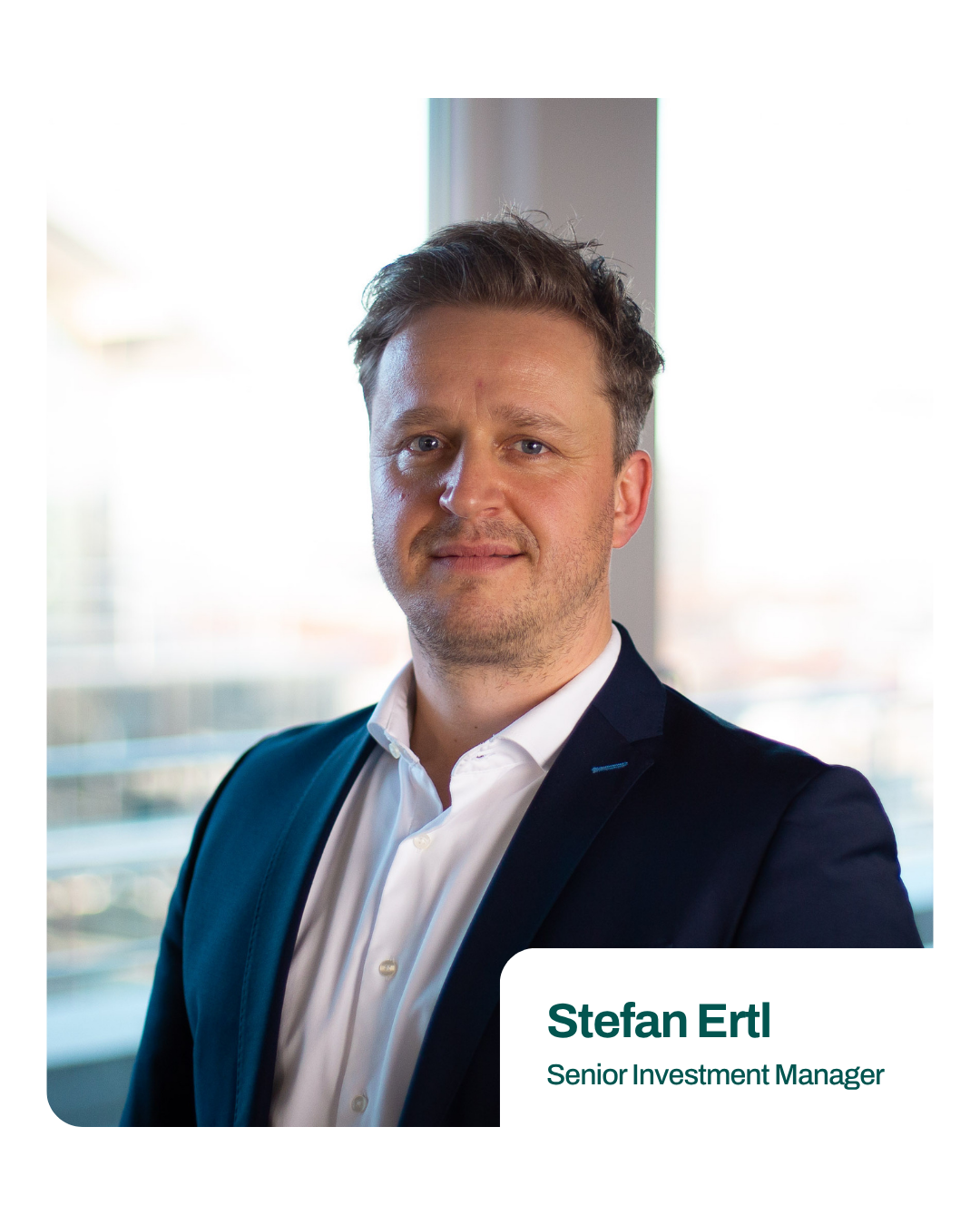
Stefan Ertl: After successfully building our renewable energy division, expanding into real estate was the logical next step for us. The first development projects on our platform were funded very quickly by investors. That clearly shows there is strong demand for this type of investment. For us, real estate is not a side activity but a central pillar of our offering. We can provide investors with predictable returns directly linked to tangible assets while simultaneously financing projects that create new housing and contribute to climate and sustainability goals within the built environment.
Which areas of the real estate market currently show the greatest potential according to the experts?
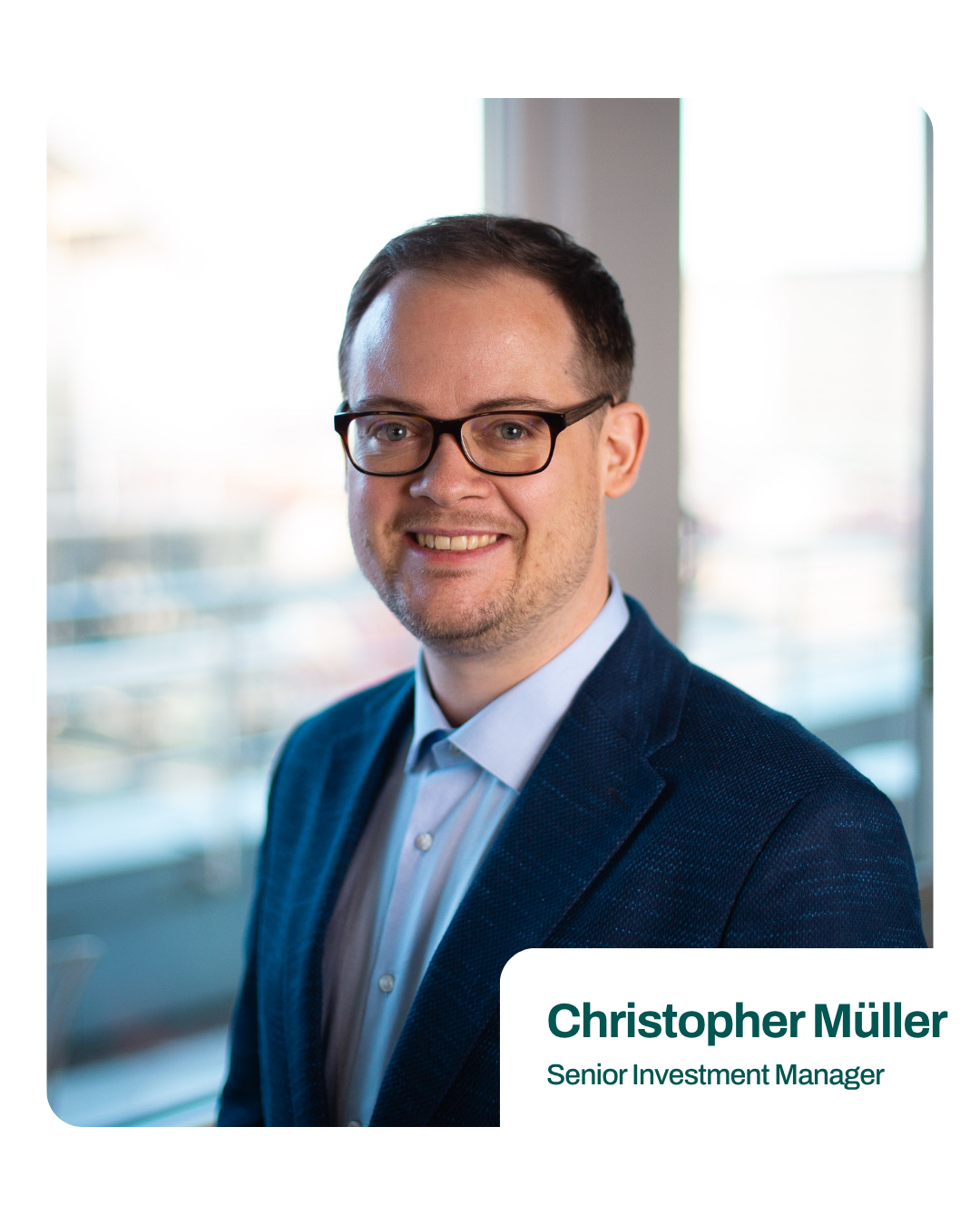
Christopher Müller: We do not limit ourselves to one specific segment, but instead focus carefully on where opportunities and solid concepts emerge under current market conditions. In recent years, we have gained particularly strong experience with sustainable logistics and industrial real estate projects. In addition, we see significant future potential in converting office space into residential housing: while office vacancies are increasing in many areas, there is simultaneously a shortage of affordable housing — especially in cities. This is precisely where intelligent project development and suitable financing solutions can create real added value for tenants, owners, and investors alike.
What is the difference between investing through the Invesdor platform and buying real estate directly?
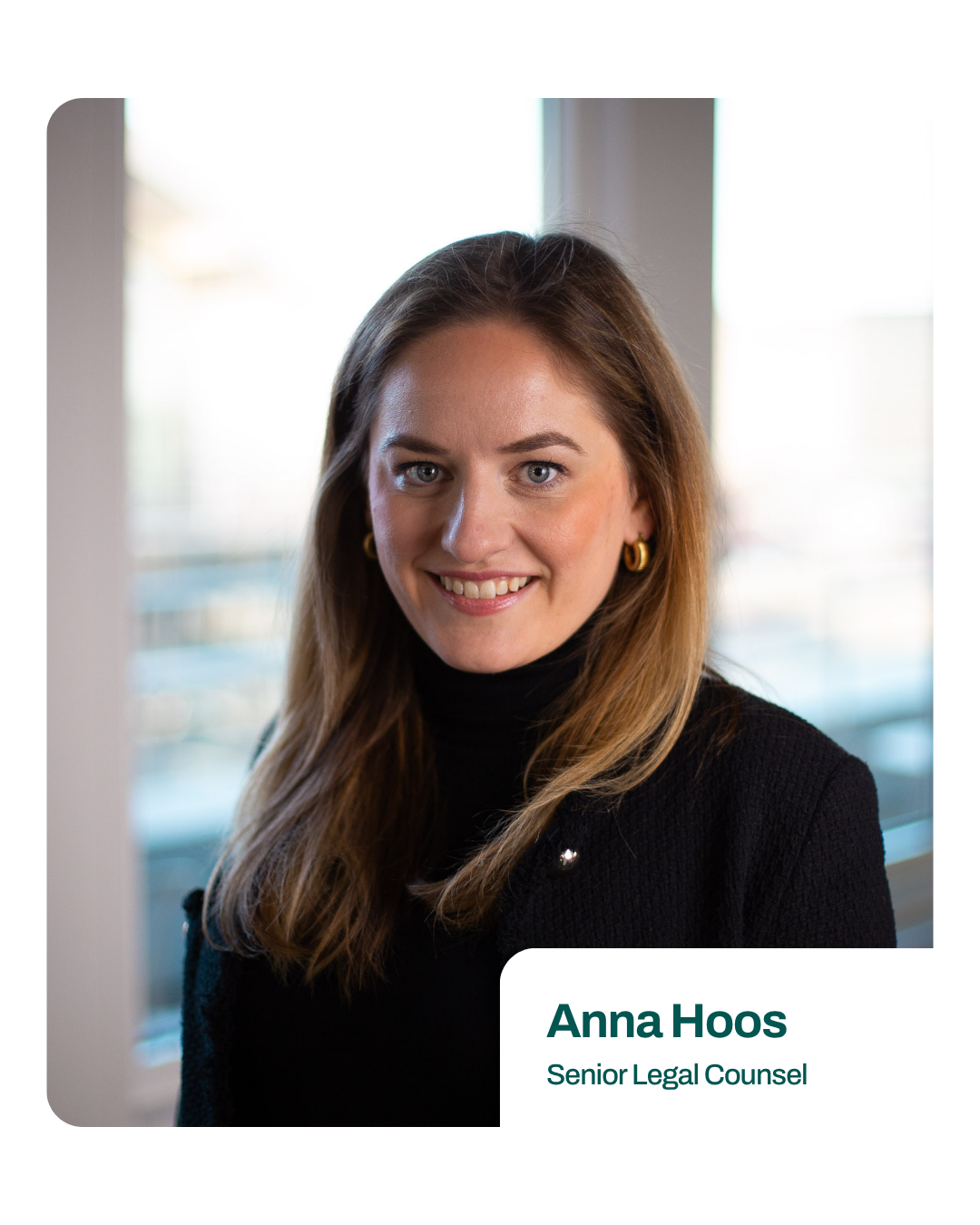
Anna Hoos: With an investment through our platform, investors do not purchase property themselves, but instead participate as capital providers in the financing of a specific project, with a fixed interest rate and a clearly defined term. Unlike a traditional real estate purchase, investors do not have to deal with selection, acquisition, management, or leasing; these responsibilities remain entirely with the project developer.
What advantages does this type of real estate investment offer compared to direct ownership?
Christopher Müller: When purchasing real estate directly, capital is concentrated in a single property and all associated obligations come with it: from additional costs and maintenance to rental management. With an investment through Invesdor, investors instead participate only in the financing phase of a project. This allows smaller amounts to be diversified across multiple real estate projects without involvement in operational management.
How does Invesdor approach the topic of risk?
Anna Hoos: Every investment fundamentally involves risks. Our goal is to present these risks as transparently as possible and, where meaningful and feasible, mitigate them through appropriate structures. Nevertheless, crowdinvesting remains an entrepreneurial investment with subordinated risk and the possibility of total loss.
How does Invesdor select the projects that appear on the platform?
Anna Hoos: We present projects on the platform whose concepts appear plausible and understandable under current market conditions, particularly regarding location, usage, financing, and planning. We place strong emphasis on transparency so investors can make well-informed independent decisions.
Real estate as an investment: why can it be a valuable addition to a portfolio?
Christopher Müller: Real estate financing can be a meaningful addition to a portfolio because it is ultimately backed by a tangible asset. Through our platform, investors participate in clearly defined project phases with fixed interest rates and transparent terms, typically ranging from one to three years.
What should investors pay particular attention to?
Stefan Ertl: It is important to fully understand the project as a whole: what exactly is being built or developed, and at what stage is the project currently? Investors should also carefully review the developer’s track record and the transparency of the financing structure.
Invest in real estate, without buying or managing property yourself? Discover projects with clear terms and fixed interest rates. Well-founded. Structured. Transparent.

Join many others, create your account!


100+
Related articles
Real Estate Investment: Is Now the Right Time to Get Started?
The real estate market has changed: financing has become more complex, capital more selective, and project execution more demanding. At the same time, demand for new housing remains high — many projects today fail not…
Why Investing in Sustainable Energy Is More Relevant Than Ever
Energy is the silent engine behind everything we do. It powers every lit home, every operating factory, and every moving train. Most of the time, we barely think about it, until shortages occur. Then energy…

MedTech and Healthcare Investments: Opportunities, Risks, and Examples
From diagnosis to therapy: how investments are transforming the medical and healthcare industry and strengthening portfolios MedTech and healthcare investments direct capital to companies that develop medical technologies, digital health solutions and healthcare infrastructure. They…