Why Pre-IPO valuations shift quickly: a retail guide
Table of contents
Pre-IPO investing • Private markets • Europe (DACH / BENELUX / Nordics)
Why Pre-IPO valuations shift quickly: a retail guide
Pre-IPO investing gives retail investors access to private companies before a potential IPO. Because private shares don’t trade every day like public stocks, pricing can adjust fast when demand, supply, or new information changes.

In public markets, prices are visible and update continuously. In private markets, information is less transparent, transactions happen less often, and access is limited.
That’s why Pre-IPO valuations can move quickly, especially in active European markets such as DACH, BENELUX and the Nordics.
Primary vs. secondary: the two ways Pre-IPO deals are priced
1
Primary funding round (company raises money)
The company issues new shares and investors’ money goes into the business (growth, product, hiring, expansion).
This valuation is often the last official reference point.
2
Secondary transaction (shareholders sell)
The company usually raises no new capital. Instead, existing shareholders sell part of their stake, for example founders, early employees (after options vest), business angels, or venture capital funds.
Buyers purchase the shares (or an economic exposure that tracks the shares’ value via an investment structure).
The payment typically goes to the selling shareholder, not to the company.
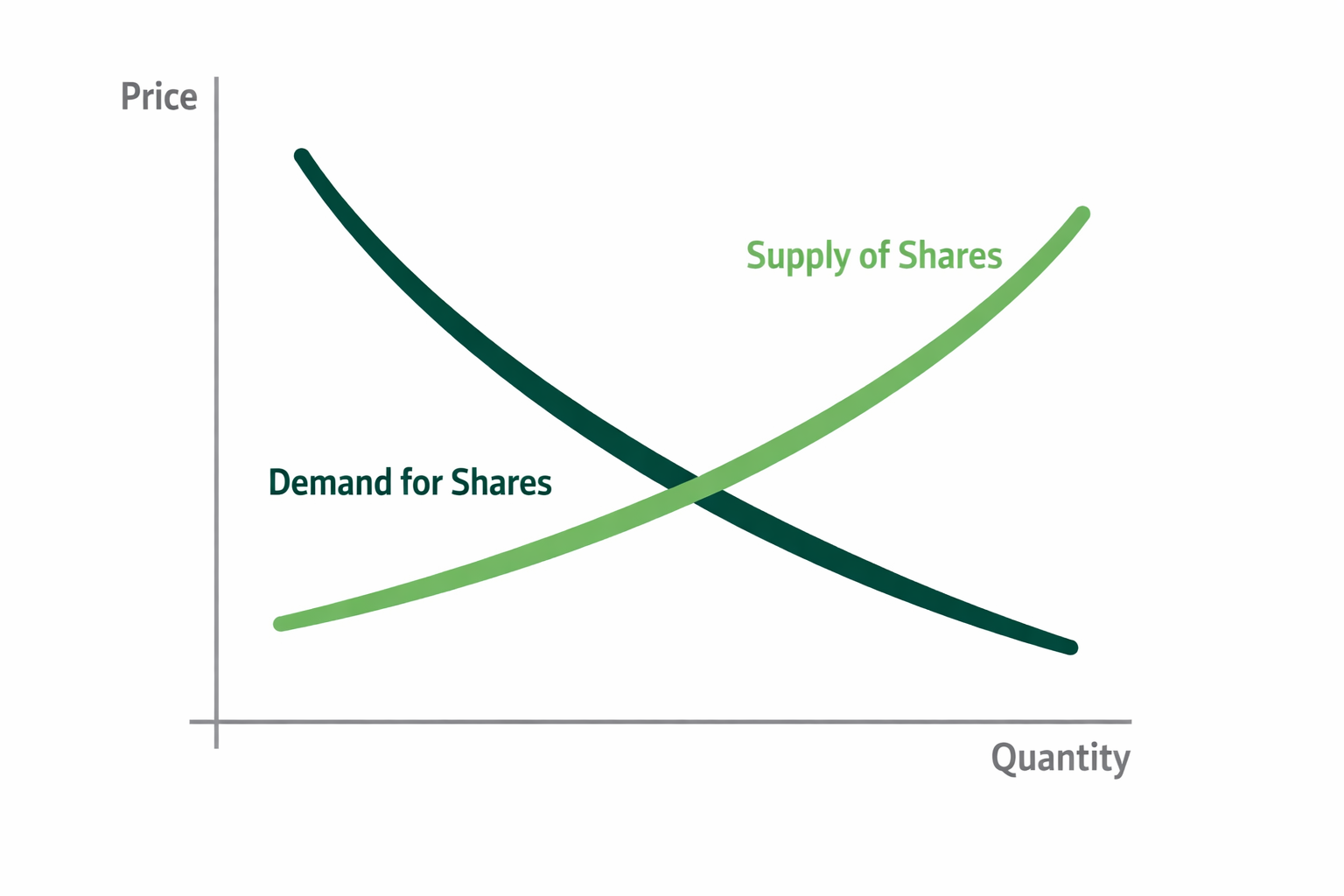
Why the price can differ: secondary pricing is negotiated between buyers and sellers. With limited share supply, prices can be higher than the last funding round, especially when many investors want exposure before a potential IPO.
Why your Pre-IPO entry valuation may be higher than the last funding round
The last funding round valuation is a helpful reference, but it can be outdated. A new Pre-IPO entry valuation can be higher when:
- the company has grown since the last round (revenue, users, expansion);
- investor demand has increased as the company became more visible;
- comparable listed companies have risen in value;
- the company appears closer to a potential IPO or other exit;
- access is scarce (only small secondary blocks are available);
- sellers are only willing to sell above a certain price.
Between official funding rounds, secondary market pricing can move with new information.
What can move Pre-IPO valuations quickly?
IPO steps (confidential filing or public announcement)
New funding round at a higher valuation (new reference point)
Strong business growth (revenue, customers, users, recurring income)
Strategic partnerships (market validation)
Scarcity: limited shares available vs. high investor demand
What this means for retail investors
A higher valuation does not automatically mean an investment is “too expensive”. But it does mean the company must grow more from that starting point to deliver strong returns, so potential upside can be smaller.
Quick sanity-check questions
- What was the last funding round valuation, and how old is it?
- Is today’s entry price driven by company progress or mainly by scarcity?
- What needs to happen for a good return from this entry valuation?
- How long might the investment be illiquid (locked in)?
Why Pre-IPO offers can be time-sensitive
Some Pre-IPO offers communicate a valuation as a reference or maximum at the start. The final entry price may still depend on what can actually be secured in the secondary market.
Campaigns are often shorter because supply is limited and conditions can change quickly: who sells, at what price, and how strong demand is.
Key risks to keep in mind
- Pre-IPO investments are usually illiquid (you may not be able to sell before an exit).
- An IPO or other exit is not guaranteed.
- Valuations can also move down, not just up.
- You can lose some or all of your invested capital.
For most retail investors, Pre-IPO should typically be a small part of a diversified portfolio.
Conclusion
Pre-IPO valuations can move quickly because private markets are less transparent and access is limited. In Europe prices can shift fast when IPO expectations change, new funding rounds happen, growth accelerates, partnerships validate the business, or demand meets scarce supply.
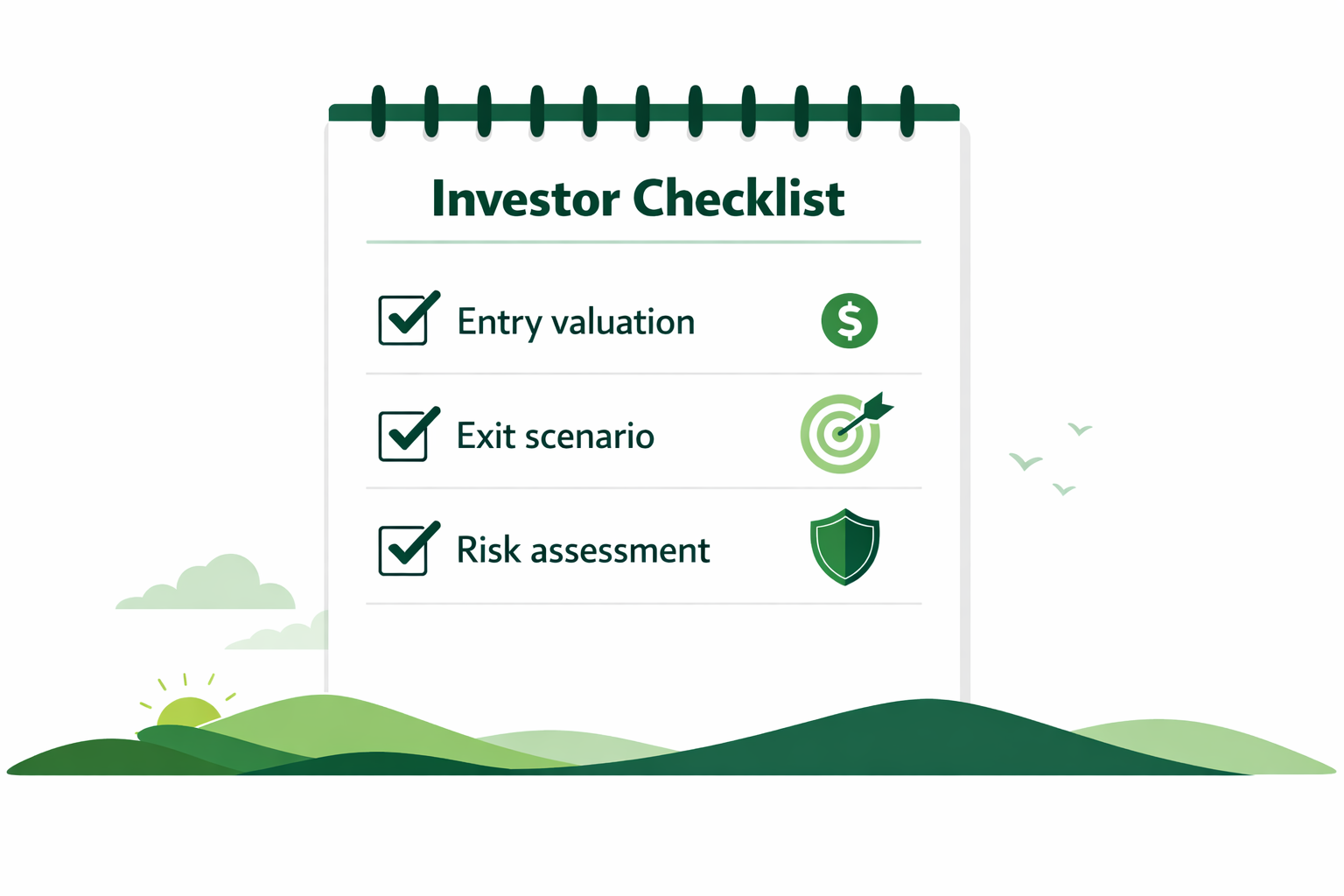
Focus on three things: entry valuation, exit scenario, and risk. A great company can still be a poor investment if the price is too high.