
Niklas Green appointed Commercial Director Nordics: Insights on the Finnish market and investor outlook
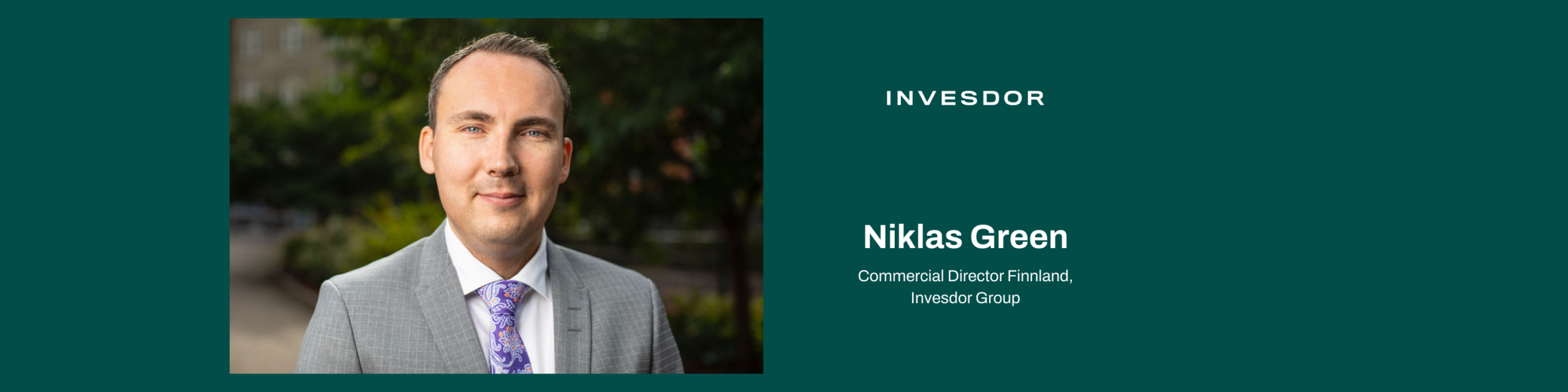
Finland is one of the most innovative markets in Europe. Many small and medium-sized enterprises have a strong desire to grow, but face difficulties when it comes to accessing capital. Finnish banks tend to be conservative and often lend only under strict conditions, leaving a financing gap that alternative solutions such as crowdinvesting are now effectively bridging.
Table of contents
Alternative funding solutions increasingly complement traditional funding provided by banks and public support institutions. Alternative funding solutions, such as crowdfinancing, fill the financing gap left by traditional financiers, which particularly benefits fast-growing SMEs and innovative scale-ups who face challenges in. The Finnish market is small, which means companies have to go abroad at quite an early stage if they want to scale. But scaling internationally requires capital. At the same time, access to capital is limited. Invesdor plays a key role here by serving an underserved market and giving Finnish companies access to funding alternatives that would otherwise be hard to reach.
That is what impact means to me—bringing together capital, knowledge, and connections to support sustainable solutions and above all create jobs where people can earn a living.
That is exactly what I want to build.
At the same time, the country is considered one of the most digital economies within the EU, offering excellent infrastructure for research and development. With 5.6 million inhabitants, Finland is the least populated of the Nordic states, yet it impresses with high innovative capacity, a well-educated workforce, and an ongoing transformation toward sustainable industries and green energy. Advancing digitalization and the expansion of renewable energy also open up new opportunities for investors.
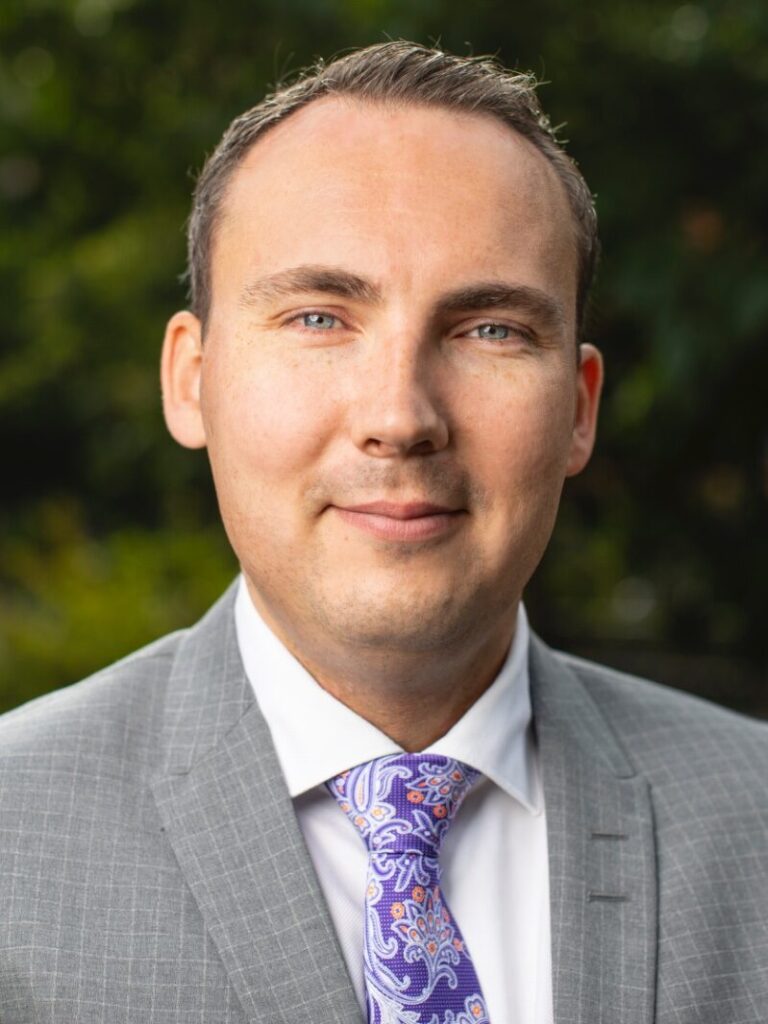
Niklas Green has been following this market for many years and understands its particularities like few others. As newly appointed Commercial Director Finland at Invesdor, he now takes on the lead of Invesdor in Finland and plays a key role in developing the Finnish deal flow and expanding the investor base. In this interview, he shares his perspective on the current market situation, his strategic priorities, and the outlook for Finland in a broader European context.
The Finnish market is undergoing change. How do you currently assess the Finnish market?
Niklas Green: The Finnish economy has not been growing for 20-years. That’s a fact. But I don’t think the market will get better if we watch and wait. It’s time to take an active role in changing the course. While the economy as a whole has not been growing, we have a lot of companies with great potential. The problem is more often than not that due to a lack of funding, these companies either cannot scale or are sold at an early stage.
The underserved Finnish capital market offers investors with a lot of opportunities for investment opportunities with an attractive risk-return relationship. We have a lot of small and medium-sized enterprises (SMEs) in Finland that are innovative and future-oriented with a desire to grow. However, the lack of viable financing opportunities means these companies cannot access the capital they need to invest in growth.
The reason lies in the structure of the capital markets. Banks in Finland are few and the ones that are there emphasize historical indicators: solid balance sheets with tangible assets, long-standing profit records, and extensive collateral. But these are exactly the things many modern companies cannot provide, as they often have intangible assets, such as software, but limited tangible assets. What matters most is future potential and scalability. After all, returns are paid with future profits, not past profits.
This creates a structural financing gap between ambitious companies and the conservative requirements of the banks. Closing this gap is not just a challenge—it’s also a great opportunity for everyone involved.
When traditional bank financing is no longer sufficient, what are the biggest challenges for companies in Finland?
Niklas Green: Many companies in Finland face a similar issue. As soon as they want to grow or plan larger investments, they encounter limitations in financing. Over the past few years, banks have changed significantly. Their main focus is on risk assessment and requiring collateral that many growth-oriented companies cannot provide.
One common example is young companies with innovative business models. Since they lack a long track record, they are often unable to secure loans. Only those who can offer personal guarantees or other forms of security may gain access to capital. However, many entrepreneurs are reluctant to take the route of personal guarantees, especially due to past experiences during the banking crisis of the 1990s, when many entrepreneurs lost everything, they had and ended up in life-long indebtedness due to such guarantees.
Another challenge is the lack of financing options in Finland when it comes to debt capital above a few hundred thousand euros. For amounts up to maybe 200,000 euros, there are multiple options for funding. Beyond that, the financing landscape becomes very limited. This gap affects many businesses and, at the same time, opens up opportunities for alternative solutions and investors who want to serve this need.
What role do alternative financing models play in Finland, and how does crowdinvesting help close the gap?
Niklas Green: When banks are cautious, companies need other ways to raise capital. Unfortunately, Finland lacks reliable structures in this area. Especially for debt amounts between 200,000 – 300,000 and 1,000,000 euros, there are very few viable options. As a result, many growing companies with a solid business cannot obtain financing.
This is where alternative financing steps in as a relevant solution relevant. Through this financing companies gain access to capital when traditional routes, such as bank financing, are unavailable. Crowdfinancing enables a company to pool capital from many individual investors with the help of an intermediate, or financing platform. This creates an alternative form of financing that is appealing to both companies and investors.
For companies, it unlocks access to capital when traditional funding is unavailable. For investors, it creates an opportunity to earn an attractive return on capital and support Finnish growth companies that often go unnoticed. In this segment, demand for capital is high, while supply is limited. That imbalance creates an attractive risk-return relationship.
Where do you currently see the most promising investment opportunities in Finland?
Niklas Green: The IT and tech sectors have always been strong in Finland. However, I find it particularly exciting to look at companies that frequently remain under the radar. These are solid businesses in traditional industries that may not seem flashy, but offer high stability and steady growth. Often referred to as hidden champions by my German colleagues, these companies form the backbone of the Finnish economy. If we could only ensure that these hidden champions would have accessed the working capital they need to grow, we could probably solve a major part of the no-growth puzzle.
Are there other sectors that are changing or have already changed?
Niklas Green: Artificial intelligence is a growing sector, closely linked to the rapidly expanding data center industry. Finland has clear advantages here, such as low energy prices and a stable climate. Waste heat from data centers can be reused efficiently, for example to heat buildings using renewable energy. These types of smart solutions highlight the innovation potential of the Finnish market.
And the defense industry has evolved significantly. Finland shares more than 1,100 kilometers of border with Russia, making national security an important topic. For a long time, the defense sector was considered off-limits for investors. That perception virtually changed overnight, and many now see that defense capabilities can align with ESG criteria. Security is increasingly viewed as an essential part of sustainable development.
What role does Europe play in financing Finnish companies?
Niklas Green: Many Finnish companies are well-positioned, but struggle to access traditional financing within Finland. One of the reasons is the small number of banks in the country, most of which take a cautious approach to lending. In this context, access to European capital can make a significant difference.
Our network allows us to connect Finnish companies with investors from across Europe. These investors bring not only capital, but also valuable experience, networks, and a desire for stable investment opportunities. Because capital availability is low in Finland, interest rates tend to be higher than in many other European markets. This creates attractive returns for investors while keeping risks manageable.
Why is this particularly interesting for investors?
Niklas Green: In today’s market environment, it is difficult to find investments that have an attractive return with manageable risk. The Finnish market offers exactly this combination. There is a constant need for financing, particularly among medium-sized businesses, and very little competition when it comes to providing capital. Investors who enter the market early have the opportunity to actively shape Finland’s economic development and secure a strong position in the market.
What are your priorities as Commercial Director?
Niklas Green: My top priority is to connect more Finnish companies with the right sources of capital. There are many businesses here with genuine potential, but they struggle to access debt financing. I want to change that. To me, this is more than single transactions for companies in need of capital. I see it as a partnership.
I want to build a network that works. That includes banks, lenders, local investors, startup hubs, business-focused organizations, and anyone who wants to support the Finnish SME sector. When we bring these players together, we can create a long-term financing ecosystem that can tap into the market opportunity in Finland.
It is not just about large funds or institutional investors. Often, the most active investors are entrepreneurs who have built or sold businesses and are now ready to support the next generation. I want to connect them with companies that are ready to grow. That is what impact means to me—bringing together capital, knowledge, and connections to support sustainable solutions and above all create jobs where people can earn a living. That is exactly what I want to build.
What motivates you personally, and what do you want to change?
Niklas Green: Technology and AI tools offer enormous potential. We should automate tasks that do not require personal consultation. This frees up time for what really matters—analyzing investment opportunities, advising investors, and closing deals.
But for me, it’s about more than efficiency. I want to use capital in ways that create attractive returns for everyone; the investor, the company and society as a whole. In a fast-changing world, we need companies that are financially strong and socially responsible.
After all the world we know and the jobs we have is created by the interaction of companies, society and investors. We need to ensure that these companies have access to capital markets because without capital companies cannot function and play their role in a socially responsible economy. The best way to do this is to take an active position in the financing of such companies. This is how we can create meaningful impact; investors earn a return, and companies obtain access to capital. With this capital companies can grow, employ workers, and ultimately have a societal impact.
💡Impact Investing: You don’t just want to invest, you want to make a difference?
Discover opportunities to invest in companies shaping the future.
Meet more of Invesdor’s employees:
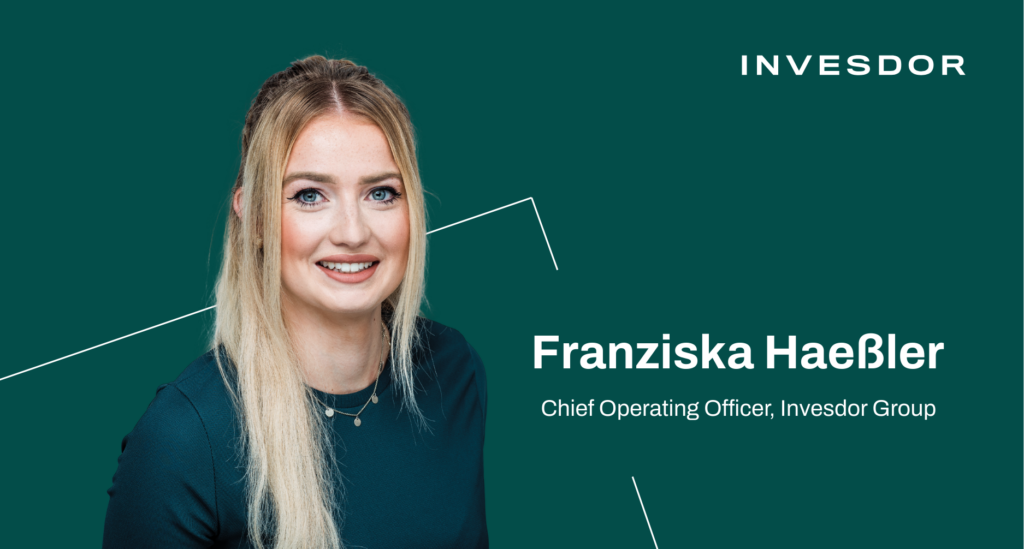
From its beginnings in a back room that smelled more of coffee and new beginnings to becoming the leading platform for impact investing in Europe: Interview with Franziska Haeßler
The fascination of venture capital – about innovation, investments and big ideas:
Interview with Lukas Linn
What do chanterelles, PowerPoint presentations and personalisation have in common? About campaigns, AI trends, clear strategies and creativity:
Interview with Maximilian von Aufschnaiter

Join many others, create your account!


100+
Related articles
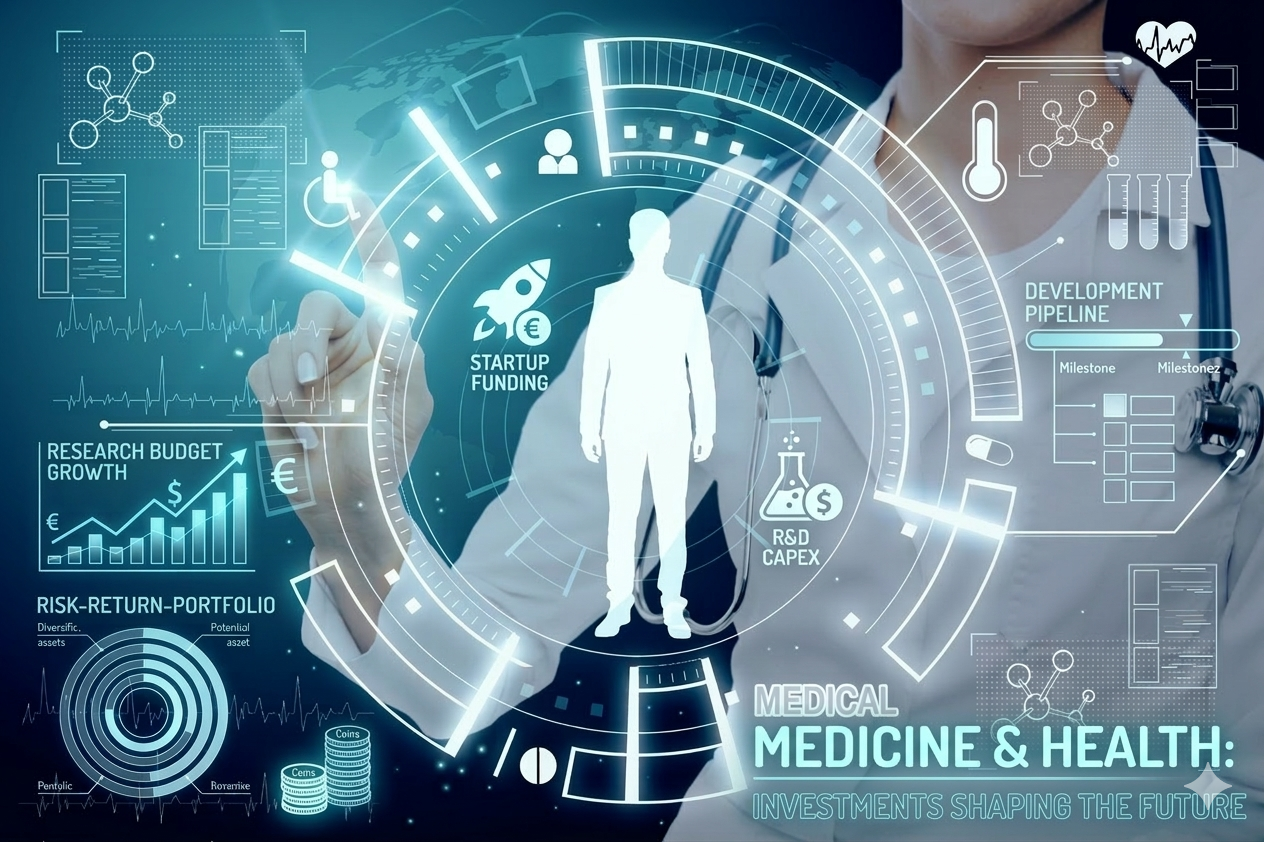
From diagnosis to therapy: how investments are transforming the medical and healthcare industry and strengthening portfolios
How do investments in healthcare help close gaps in care while also generating returns? MedTech and healthcare investments are among the most stable and at the same time most innovative segments of the global healthcare market. While many markets are subject to strong fluctuations, the demand for medical and healthcare services remains constant. It continues to grow with an aging population, increasing life expectancy (according to the Deloitte Global Health Care Outlook 2025 the number of people over 65 in Europe will increase by around 30% by 2030) and the rising prevalence of chronic diseases such as diabetes and cardiovascular conditions. This demographic shift increases the pressure on healthcare systems and raises demand for efficient, technology-driven solutions. Healthcare systems are reaching their limits.Hospitals are struggling with overcrowding and packed waiting rooms. Foto: envato At…
Impact Investing: Do I really make a difference as an Investor?
What actually happens to your money after you invest? Does it quietly sit on a balance sheet or does it build solar sites, accelerate medical innovation and create measurable change? That is the core question…

Investment diversification made simple: spreading risk, protecting wealth
This article explains what investment diversification means, how it helps mitigate risk, and how you can structure your portfolio intelligently. Volatile markets, geopolitical crises, and uncertain forecasts make investing increasingly complex. Many investors wonder how…